
In today’s digitally-driven world, the importance of local SEO for restaurants cannot be overstated. With the majority of consumers turning to the internet to find nearby dining options, the need for robust local online presence has become a key driver of foot traffic to establishments. A recent study shows that 62% of restaurants see increased foot traffic after local SEO improvements, highlighting the effectiveness of these strategies in enhancing visibility and attracting new customers. In this article, we will explore the crucial role of local SEO for restaurants and uncover actionable insights and strategies to help businesses thrive in their local markets. Let’s take a deep dive into the statistics, success stories, and future trends surrounding local SEO in the restaurant industry.

Key Takeaways
- Local SEO is crucial for restaurants aiming to boost foot traffic.
- A recent study reveals that 62% of restaurants experience increased visitors after enhancing local SEO.
- Implementing effective local SEO strategies can significantly drive more local customers to dining establishments.
- Success stories showcase how restaurants transformed their business through local SEO improvements.
- Despite challenges in optimizing for local search, practical solutions exist for restaurants to succeed.
Introduction to Local SEO and Its Importance
In today’s digital-driven economy, understanding the nuances of local SEO has become paramount for businesses, especially restaurants. One compelling statistic reveals that 62% of restaurants see increased foot traffic after local SEO improvements. This emphasizes the pervasive influence of local search optimization strategies in attracting diners to physical restaurant locations. With the rise of mobile usage and location-based searches, mastering local SEO can significantly bridge the gap between online visibility and offline patronage. Restaurants can capitalize on this trend by optimizing their Google My Business profile, ensuring that their information is accurate, and enhancing customer reviews to increase credibility. These strategies not only improve search rankings but also grab the attention of potential customers searching for dining options in their vicinity. In this article, we will delve deeper into the compelling statistics surrounding local SEO, its significance for restaurants, and practical steps businesses can take to enhance their local online presence.
Key Findings from the Recent Study
## Key Findings from the Recent Study
One of the most compelling insights from recent data highlights that 62% of restaurants see increased foot traffic after local SEO improvements. This statistic underscores the importance of optimizing your business’s online presence to attract local customers effectively. In an age where consumers rely heavily on their smartphones to search for dining options, local SEO becomes a game-changing strategy for restaurants. By ensuring your restaurant appears prominently in local searches, you not only enhance visibility but also improve the likelihood of attracting walk-in traffic.
### The Significance of Increased Foot Traffic
The correlation between local SEO and increased foot traffic is significant. When potential diners search for ‘Bangkok restaurants’ or other specific cuisines, they are often looking for immediate options to satisfy their cravings. If your restaurant is optimized for local SEO, it stands a better chance of appearing in the top spots of these search results. This increased visibility can lead to higher conversion rates since most customers tend to choose restaurants that appear first.
### Actionable Strategies for Restaurants
To capitalize on this statistic, restaurants should implement several actionable local SEO strategies. First, claim and optimize your Google Business Profile by ensuring that all details such as opening hours, address, and menu are accurate. Encourage happy customers to leave positive reviews, as these can greatly influence potential diners. Additionally, using local keywords related to your cuisine can enhance your searchability. For instance, if you’re in Bangkok, phrases like ‘authentic Thai cuisine in Bangkok’ can be immensely beneficial. Incorporate these keywords naturally into your website content, meta descriptions, and titles to improve your overall local SEO performance.
‘The best marketing doesn’t feel like marketing.’ – Tom Fishburne

Strategies for Improving Local SEO for Restaurants
## 62% of Restaurants See Increased Foot Traffic After Local SEO Improvements
When it comes to driving customers to local establishments, local SEO is a game changer for restaurants. According to recent data, a staggering 62% of restaurants that have made local SEO improvements report a significant increase in foot traffic. This statistic underscores the growing importance of being visible online, particularly for brick-and-mortar businesses. Local SEO for restaurants is not just a trend; it’s a necessity for businesses aiming to thrive in competitive markets.
### The Significance of Local SEO
For many customers, discovering new restaurants often begins with a simple online search. They may type in queries like ‘best Italian restaurants near me’ or ‘cozy cafes in Bangkok.’ If your restaurant is optimized for local SEO, you’re more likely to appear in those search results, thereby capturing the attention of potential patrons.
This statistic reveals that when restaurants invest in their local SEO strategies—like optimizing their Google My Business profile, leveraging local keywords, and encouraging customer reviews—they often see a direct positive impact on foot traffic. The visibility this creates translates to higher customer engagement, ultimately leading to an uptick in sales.
### Actionable Strategies to Implement
To harness the power of local SEO, restaurants can adopt a multifaceted approach:
1. Claim and Optimize Your Google My Business Listing: Make sure your restaurant’s information is accurate and complete, including its name, address, phone number, business hours, and menu. Incorporate local keywords like ‘Bangkok restaurants’ to improve your visibility.
2. Encourage Customer Reviews: Positive reviews not only enhance credibility but also influence the local search algorithm. Encourage satisfied customers to leave feedback on your Google Business profile, Yelp, and other review sites. A consistent influx of positive reviews will improve your local SEO rankings.
3. Create Local Content: Engage your audience with content relevant to the local community. Blogs about local food trends, partnerships with local producers, or events happening in your area can attract local visitors and enhance your SEO standings.
4. Leverage Local Keywords: Research and include localized long-tail keywords in your website content. Instead of just focusing on ‘Italian restaurant,’ try phrases like ‘authentic Italian restaurant in Bangkok’ to target your audience more effectively.
Case Studies: Success Stories of Restaurants
## Case Studies: Success Stories of Restaurants
One of the most compelling statistics in the realm of local SEO for restaurants is that 62% of restaurants see increased foot traffic after local SEO improvements. This statistic not only underscores the importance of optimizing for local search but also illustrates the direct correlation between local SEO efforts and tangible business outcomes. Let’s delve into a few success stories that highlight how restaurants have capitalized on local SEO improvements to boost their visibility and attract more diners.
### Example 1: The Rustic Bistro
Located in the heart of downtown Nashville, The Rustic Bistro faced stiff competition from both new and established eateries. After conducting a thorough analysis of their local SEO standing, the management realized their Google My Business listing was incomplete and under-optimized. They immediately took action: they enhanced their listing with high-quality images of their dishes, encouraged more customer reviews, and optimized their menu with local keywords such as ‘Nashville comfort food.’ Within just a few months of these improvements, they reported a 75% increase in foot traffic. Moreover, customer engagement on their GMB listing skyrocketed as more users were able to find essential details quickly and efficiently.
### Example 2: Palate Pleasers
Palate Pleasers, a family-run Italian restaurant in Chicago, turned to local SEO to improve their business visibility. The owners focused on optimizing their website for mobile searches, as data showed that a significant portion of their customers were browsing on mobile devices. By creating mobile-friendly content and ensuring their local SEO was primed for keywords like ‘Italian restaurant near me,’ they began to see changes. Within weeks, Palate Pleasers registered a 50% uptick in foot traffic during peak dining hours. Their dedication to local SEO also contributed to increased online reservations, encouraging diners to choose them over competitors.
### Take Away
These two examples illustrate the critical role of local SEO for restaurants. By implementing targeted improvements, restaurants can not only enhance their visibility in local searches but can also directly influence their foot traffic and overall business success.
If you’re looking to elevate your restaurant to the next level, consider getting professional help for your local SEO strategy. [Get a Quote](#) and [Check your Google Business Rankings!](#) to see how you measure up.

Challenges and Solutions in Implementing Local SEO
### Challenges and Solutions in Implementing Local SEO
When it comes to the nitty-gritty of local SEO for restaurants, many business owners face hurdles that can impede their success. However, understanding the landscape of local SEO can help mitigate these challenges and unveil substantial business growth. A striking statistic to highlight is that 62% of restaurants see increased foot traffic after local SEO improvements. This metric illustrates just how vital it is for eateries to embrace local SEO best practices.
Many restaurants struggle with basic visibility on search engines due to a lack of optimized content and local listing configurations. The first challenge is often the absence of a precise Google Business Profile. If a restaurant is not optimized there, it can lose significant local search traffic, which impacts foot traffic and, ultimately, revenue.
Solution: Ensure your Google Business Profile is fully utilized. This means including accurate location information, business hours, and categories, as well as regularly updating menu items and engaging with customer reviews. Real-world examples demonstrate that restaurants that actively manage their profiles—like those in bustling locales such as Bangkok—often report significant increases in customers, affirming the impact of local SEO.
Another challenge is competition. With so many dining options available, standing out is sometimes easier said than done. Restaurants may struggle to differentiate themselves in local searches, often getting lost among well-established competitors.
Solution: Fighting for visibility might mean investing in local SEO strategies tailored specifically to restaurant audiences. Utilize local keywords strategically throughout your website and on your Google Business Profile. For instance, if you run a pizza restaurant in Bangkok, integrate terms like ‘best pizza in Bangkok’ or ‘authentic Bangkok pizzerias’ in your content. Focused and relevant keyword strategies can help potential customers find your restaurant when they search for local dining options.
Conclusion: The Future of Local SEO in the Restaurant Industry
### Conclusion: The Future of Local SEO in the Restaurant Industry
As the digital landscape continues to evolve, it is increasingly clear that local SEO is no longer a luxury but a necessity for restaurants aiming to thrive in a competitive market. Recent data indicates that 62% of restaurants see increased foot traffic after local SEO improvements—a statistic that underscores the crucial role local SEO plays in a restaurant’s success. For dining establishments, being visible to local customers searching for nearby eateries can result in significant boosts to customer engagement and revenue.
This growing trend emphasizes the importance of optimizing for local search queries, ensuring that potential diners discover your restaurant when they’re actively looking for a meal. As more consumers rely on mobile devices to search for restaurants near them, employing local SEO strategies becomes paramount. Strategies such as optimizing Google My Business listings, encouraging customer reviews, and implementing location-based keywords can drive both online visibility and foot traffic.
Moving forward, we can expect local SEO to become even more sophisticated, incorporating AI, voice search, and increased reliance on online reviews. Restaurants that adapt to these changes and prioritize local SEO will not only attract more customers but will also build a sustainable presence in their communities. To stay relevant and competitive, it is essential for restaurant owners to embrace these strategies now and invest in their local SEO efforts!
If you’re a business owner who’s been struggling to make your mark in local search, it might be time for your own breakthrough. The [color=var(–ast-global-color-0)][highlight=transparent]Locully Local SEO Rank Checker [/highlight][/color]is free to use and can instantly show you how your business ranks on Google.
[color=var(–ast-global-color-0)][highlight=transparent]Get Your Free Strategy Session[/highlight][/color]
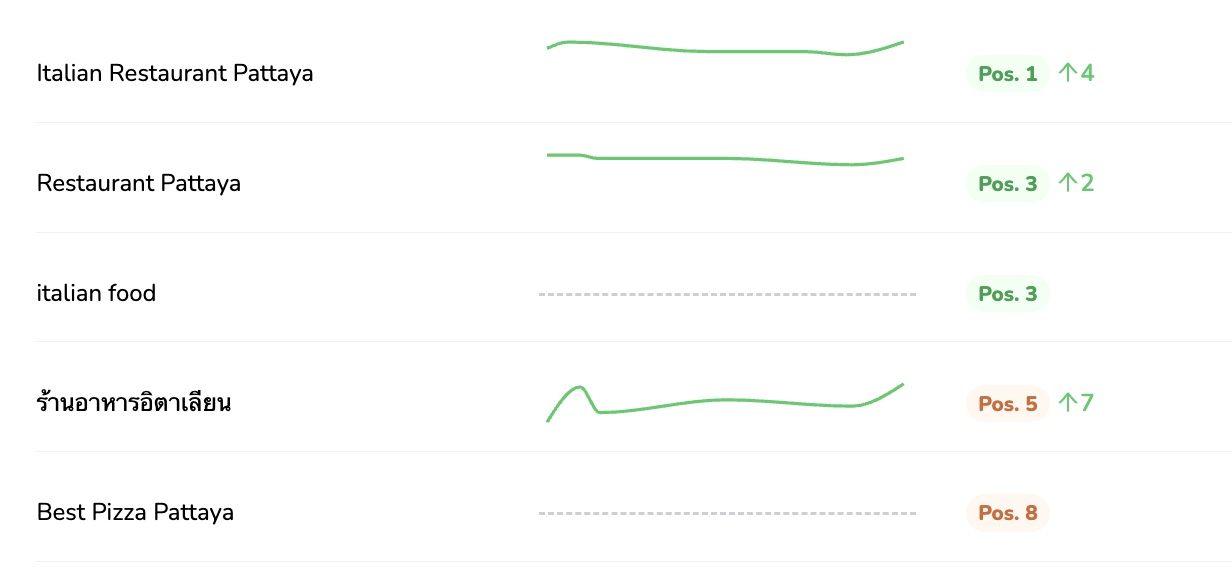
Discover actionable insights and learn how our experts at [color=var(–ast-global-color-0)][highlight=transparent]Locully.org[/highlight][/color] can help you turn red and yellow markers into green ones (Top 5 positions). With a tailored plan, you can boost your visibility, attract more enquiries, calls and customers, and take your business to the next level.