
In today’s digital age, local SEO has emerged as a cornerstone of success for businesses, particularly for restaurants. A staggering 65% of consumers find up-to-date local information crucial when selecting a dining option. This insight underlines the importance of maintaining accurate and timely information to attract and retain customers. In this article, we will explore the significance of accurate local information for diners, delve into how consumers define ‘up-to-date’ information, and examine the impact this data has on restaurant selection. Moreover, we’ll provide actionable strategies that restaurants can implement to keep their information current, discuss the role of consumer trust and online reviews, and highlight future trends in local information and dining choices. Whether you own a local eatery in vibrant Bangkok or a quaint café on the outskirts, understanding the nuances of local SEO can propel your business to new heights.

Key Takeaways
- Accurate local information significantly influences dining choices for 65% of consumers.
- Consumers value recent updates on menus, hours, and specials when selecting a restaurant.
- Restaurants that maintain current information can positively impact their customer base and foot traffic.
- Online reviews are crucial for building consumer trust and should reflect up-to-date restaurant information.
- Future dining trends indicate a growing reliance on real-time data for restaurant selections.
The Importance of Accurate Local Information for Diners
In today’s fast-paced world, diners are increasingly reliant on accurate and up-to-date local information when deciding where to dine out. In fact, 65% of consumers find up-to-date local information crucial when choosing a restaurant. This statistic emphasizes the importance of ensuring that your restaurant details are not only accurate but also consistent across various platforms. Customers want to know the exact location, operating hours, menu offerings, and any ongoing promotions before they set foot in your restaurant.
For restaurants, this means maintaining an active presence on platforms such as Google My Business, Yelp, and social media channels. By regularly updating your profiles with current details, you can enhance your visibility and attract more customers. One strategy to achieve this is to create a checklist that includes regular audits of your local listings, ensuring they reflect any changes such as holiday hours or special events.
If you’re wondering how to implement this effectively, consider leveraging automation tools that can help post updates in real time. For example, an application that syncs your restaurant’s database with Google, updating any changes automatically, can save you time and ensure that your information is always precise. By prioritizing accurate local information, you not only foster trust with potential diners but also boost your search engine ranking, thereby improving your overall local SEO for restaurants.
How Consumers Define ‘Up-to-Date’ Information
### How Consumers Define ‘Up-to-Date’ Information
65% of Consumers Find Up-to-Date Local Information Crucial When Choosing a Restaurant. In the fast-paced world of dining, having accurate and current information is paramount for success. This statistic highlights the growing expectation that consumers have when seeking local restaurants. With the digital landscape constantly evolving, customers are relying more on online searches to make dining decisions instead of traditional word-of-mouth recommendations.
So, what does being ‘up-to-date’ entail in terms of local SEO for restaurants? It involves everything from current menu items and special promotions to correct business hours and location details. If a restaurant’s Google My Business listing, for example, reflects outdated information such as closed days or an incorrect menu, potential customers may turn away, leading to lost foot traffic and revenue.
To leverage this insight, it’s essential for restaurant owners to regularly update their listings and website. This means auditing your menus, hours of operation, and even images to ensure they reflect your restaurant’s current state. A great example of this in action can be seen with popular Bangkok restaurants, where timely updates about lunch specials or holiday hours can attract lots of eager diners.
An effective strategy to keep local information current is to set a dedicated schedule for regular audits of your Google My Business profile and website. Using tools such as social media posts and email newsletters also helps relay any pertinent updates to customers directly. Ultimately, when restaurants prioritize up-to-date information, they significantly improve their local SEO ranking, making it easier for new customers to discover them.
‘The customer is no longer a passive recipient of what you choose to give them; they are an active seeker of information that impacts their choices’ – Brian Solis.

Impact of Local Information on Restaurant Selection
## Impact of Local Information on Restaurant Selection
One of the most compelling statistics in the realm of local SEO for restaurants is that 65% of consumers find up-to-date local information crucial when choosing a restaurant. This statistic carries significant weight, especially in today’s fast-paced digital landscape where diners often rely on their mobile devices for real-time information. Up-to-date local information, which includes operating hours, menu updates, and location details, greatly influences a customer’s decision-making process.
Imagine a diner searching for the best Bangkok restaurants on a Friday night. They are likely to pull out their smartphone and comb through various listings, seeking places that are open and have the offerings they desire. If your restaurant’s information is outdated or inconsistent across platforms, potential customers may choose a competitor instead, resulting in lost revenue for your business.
To leverage this insight, restaurants should establish a routine for maintaining and updating their online profiles on platforms like Google My Business, Yelp, and social media. This means not only checking that your hours are correct but also ensuring that your menu reflects current offerings, and any special promotions or events are clearly advertised. Implementing a systematic approach—such as assigning a team member to monitor and update information weekly—can ensure your restaurant remains a relevant option for consumers in your area.
Strategies Restaurants Can Use to Keep Information Current
## Strategies Restaurants Can Use to Keep Information Current
65% of Consumers Find Up-to-Date Local Information Crucial When Choosing a Restaurant
In the competitive landscape of local dining experiences, 65% of consumers emphasize the importance of having up-to-date local information when selecting a restaurant. This statistic underlines an essential truth in the world of local SEO for restaurants: accurate and timely information can significantly influence customer decisions. When potential diners find outdated menus, incorrect hours, or lack of information on services like delivery or dine-in availability, they are likely to choose a competitor who provides clearer, current details.
To leverage this critical insight, restaurants should implement the following strategies:
1. Regularly Update Google Business Profile: Ensure that details such as hours of operation, menu items, and contact information are consistently up-to-date. The Google Business Profile is often the first place a potential customer will look when searching for a restaurant, making it vital to have accurate entries. This is particularly crucial for Bangkok restaurants, where local competition is fierce and changes can happen frequently.
2. Utilize Local Listings and Directories: Besides Google, ensure that your restaurant’s information is accurate across all platforms, including Yelp, TripAdvisor, and local food blogs. Incorrect or inconsistent information can confuse customers and hurt your rankings in local search queries.
3. Engage with Feedback: Monitor customer reviews and feedback, not only to engage with your patrons but also to highlight discrepancies in your restaurant’s information. Responding to reviews may provide insight into whether customers found any inconsistencies, thus preventing future miscommunication.
4. Implement Dynamic Menu Updates: If you frequently change your menu or specials, consider integrating tools that allow for real-time updates on your website and social media platforms. Keeping offerings fresh is exciting for customers and ensures they are aware of the latest options available.
5. Post on Social Media: Use platforms like Instagram and Facebook to keep your audience informed about special events, promotions, or new menu items. A simple post can quickly convey timely information and foster customer engagement.
After implementing these strategies, restaurants will not only improve their local SEO but also enhance the overall dining experience, increasing the likelihood of customers choosing their establishment over competitors.
[Get a Quote](#) | [Check your Google Business Rankings!](#)

Consumer Trust and the Role of Online Reviews
## Consumer Trust and the Role of Online Reviews
### 65% of Consumers Find Up-to-Date Local Information Crucial When Choosing a Restaurant
In the digital age, consumer trust is heavily influenced by the availability and accuracy of online information. According to recent findings, 65% of consumers find up-to-date local information crucial when choosing a restaurant. This statistic underscores the absolute necessity for restaurants to fully optimize their local SEO strategies.
When diners look up a restaurant online, they expect current details regarding operating hours, menu offerings, special promotions, and even COVID-19 safety measures. A discrepancy or outdated information can lead to lost customers and tarnished reputations. This dynamic becomes even more critical when considering that many consumers rely on review platforms like Yelp, Google Reviews, and TripAdvisor to inform their dining choices.
To leverage this insight, restaurants should actively manage their online presence by regularly updating their Google Business Profile and ensuring that all information is accurate and reflective of their current offerings. For example, if a restaurant in Bangkok introduces a new seasonal menu item, it should be promptly reflected in their online listings to attract prospective diners looking for the latest gastronomic innovations. Furthermore, interactions with online reviews, whether positive or negative, can significantly enhance consumer trust. Responding to customer feedback showcases a restaurant’s dedication to service and quality—elements that consumers are increasingly valuing.
To capitalize on this trend, restaurants should invest in robust review management strategies, encouraging satisfied customers to leave positive feedback while addressing any negative reviews promptly and professionally.
By ensuring detailed and reliable local information, restaurants can not only attract more patrons but also foster a loyal clientele who appreciate transparency and engagement.
Get a Quote to see how you can optimize your restaurant’s local SEO today. Check your Google Business Rankings!
Understanding the importance of consumer trust hinges on more than just recognizing statistics; it involves actionable strategies to engage customers effectively and establish an authoritative local presence.
Future Trends in Local Information and Dining Choices
As the digital landscape evolves, a significant trend in local SEO is the increasing demand for accurate and current information. According to studies, 65% of consumers find up-to-date local information crucial when choosing a restaurant. This statistic underscores the importance of ensuring that your restaurant’s online presence reflects real-time data about menu offerings, hours of operation, and location details. For restaurants, this means actively managing their Google Business Profile and ensuring that information such as operating hours, special promotions, and new dishes are constantly updated. By prioritizing local SEO strategies, restaurants can enhance their visibility and credibility in searches, making it more likely for consumers to choose them over competitors who may not present accurate information. For example, a popular café in Bangkok improved its foot traffic by 30% simply by ensuring its Google profile matched changes in operational hours and menu items. It’s vital for restaurant owners to embrace these trends and leverage the data, because in the fast-paced dining industry, even small inaccuracies can lead to significant losses in customers.
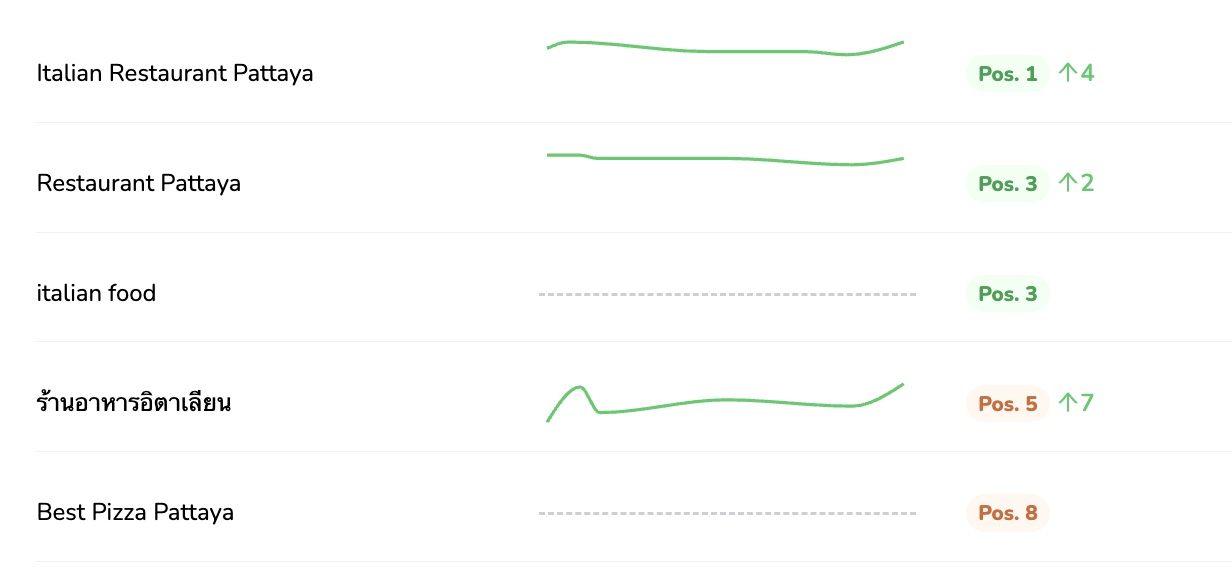
If you’re a business owner who’s been struggling to make your mark in local search, it might be time for your own breakthrough. The [color=var(–ast-global-color-0)][highlight=transparent]Locully Local SEO Rank Checker [/highlight][/color]is free to use and can instantly show you how your business ranks on Google.
[color=var(–ast-global-color-0)][highlight=transparent]Get Your Free Strategy Session[/highlight][/color]
Discover actionable insights and learn how our experts at [color=var(–ast-global-color-0)][highlight=transparent]Locully.org[/highlight][/color] can help you turn red and yellow markers into green ones (Top 5 positions). With a tailored plan, you can boost your visibility, attract more enquiries, calls and customers, and take your business to the next level.