

In an increasingly digital world, the behaviors of consumers have shifted dramatically, especially when it comes to how they search for local products and services. One of the most significant trends that have emerged in recent years is the rise of location-based mobile searches. This phenomenon is particularly relevant for businesses today, with an eye-opening statistic that reveals a staggering 78% of location-based mobile searches result in immediate purchases. Understanding the implications of this statistic can help businesses of all sizes, particularly restaurants, capitalize on this trend to drive sales and improve their local SEO strategies.
This article will dive into what drives these mobile searches, why understanding this statistic is crucial, and how businesses can effectively leverage mobile technology to enhance their marketing efforts. We will explore actionable strategies that businesses can implement to resonate with local consumers and turn those searches into tangible sales.

Key Takeaways
- Location-based mobile searches have a remarkable 78% conversion rate into immediate purchases.
- Mobile technology is fundamentally changing consumer shopping behavior by enabling instantaneous decision-making.
- Several factors, including convenience and relevance, heavily influence consumers’ tendency to make immediate purchases after a mobile search.
- Businesses can enhance their marketing strategies by optimizing for local searches and improving mobile user experience.
- Future trends indicate that location-based marketing will continue to evolve, shaping consumer behavior and purchase patterns further.
Introduction to Location-Based Mobile Searches
### Introduction to Location-Based Mobile Searches
In today’s fast-paced digital landscape, consumers are increasingly relying on their smartphones to find what they need in real-time. Recent studies show that 78% of location-based mobile searches result in immediate purchases. This statistic highlights the urgency and intent behind mobile searches, especially for businesses like restaurants. Think about it: when someone searches for “best Bangkok restaurants” on their phone, they are likely in the vicinity, ready to eat. For restaurant owners, understanding this behavior is crucial. With location-based mobile searches, potential customers are looking for quick answers, and how your restaurant ranks in these searches can mean the difference between a new diner and a missed opportunity.
For restaurants, optimizing for local SEO is not just about being found online; it’s about capturing the immediate intent of these hungry searchers. Harnessing the power of local SEO for restaurants allows businesses to resonate more authentically with their community and environment, ultimately driving foot traffic and revenue. So, how can restaurant owners leverage this insight? Let’s explore actionable strategies to enhance visibility through local SEO.
Understanding the Statistics: 78% Conversion Rate
### 78% of Location-Based Mobile Searches Result in Immediate Purchases
One of the most compelling statistics in the realm of local SEO is that 78% of location-based mobile searches result in immediate purchases. This overwhelming figure underscores the significance of capturing potential customers at the right moment—when they are actively searching for options nearby. For restaurants, this means that optimizing local SEO can lead to higher foot traffic and ultimately, increased sales.
Consider a scenario where a hungry traveler lands in Bangkok, browsing for nearby dining options on their smartphone. The restaurant that appears at the top of the search results is likely to attract their attention, especially if it features enticing images and a favorable rating. By focusing on local SEO for restaurants, you can ensure that when consumers are searching for a meal, your establishment is front and center.
### Why This Metric is Essential for Restaurants
Given that this statistic pertains specifically to mobile searches, it highlights the necessity for restaurants to harness local SEO effectively. Most consumers turn to their devices when looking for a place to eat, whether they are at home or out and about. By optimizing your restaurant’s website and Google My Business profile, you enhance visibility, enabling potential patrons to find you quickly. This also means ensuring that information such as your address, hours of operation, and menus are up-to-date and accessible. A strategic approach could entail creating location-specific content, employing local keywords such as ‘Bangkok restaurants near me,’ and encouraging satisfied customers to leave positive reviews on platforms like Google.
By using geo-targeted keywords and optimizing your profiles, you position your restaurant to convert searches into tangible sales, tapping into that impressive 78% conversion rate. For actionable insights on how to boost your local SEO strategies, consider evaluating your current practices or seeking expert advice—Get a Quote. Additionally, to understand where you stand in the market, you can Check your Google Business Rankings!
‘The goal is to turn data into information, and information into insight.’ – Carly Fiorina

The Role of Mobile Technology in Shopping Behavior
### The Role of Mobile Technology in Shopping Behavior
In today’s digital landscape, mobile technology plays a pivotal role in influencing consumer behavior, particularly in local shopping. A staggering 78% of location-based mobile searches result in immediate purchases. This statistic underscores the importance of having a robust local SEO strategy, especially for businesses like restaurants. When hungry customers quickly search for nearby dining options on their smartphones, they are often ready to make a decision immediately. This immediacy is particularly relevant in the restaurant industry where impulse plays a significant role in choices. For instance, a diner walking through downtown Bangkok might use their phone to search for the nearest Italian restaurant. If your restaurant is optimized for local SEO, it stands a better chance of appearing in that search result. This means updating your Google My Business profile, ensuring your website is mobile-friendly, and maintaining accurate location information – all crucial elements that drive foot traffic directly to your establishment.
To leverage this mobile searching behavior, restaurants should consider implementing geo-targeted promotions that can entice potential customers who are physically nearby. Offering a limited-time discount for walk-ins or emphasizing your restaurant’s unique offerings can effectively capture that sudden interest from mobile searchers.
Factors Driving Immediate Purchases from Searches
### Factors Driving Immediate Purchases from Searches
According to recent statistics, 78% of location-based mobile searches result in immediate purchases. This staggering figure highlights the crucial role that local SEO plays for businesses, particularly in the restaurant industry. When potential customers search for a restaurant on their mobile device, they are often in immediate need of food options, which means that optimizing for local search can lead to instant foot traffic and sales.
For restaurants, this means that having a strong local SEO strategy is no longer optional but essential. The immediacy of mobile search implies that consumers are looking for nearby dining options right at that moment, making local SEO a critical investment. To leverage this, restaurants should start by ensuring that their Google Business Profile is fully optimized with updated information, including hours of operation, location, and contact details. Furthermore, engaging visuals like high-quality images of the restaurant and menu items can enhance the appeal, making prospective diners more likely to choose your establishment.
Immediate purchases initiated through mobile searches further emphasize the need for speed. Websites must load quickly, and menus must be easy to navigate on mobile devices. For instance, a local sushi spot in Bangkok witnessed a 30% increase in foot traffic after simplifying its mobile site and optimizing for local search terms like ‘best sushi near me’. This combination of optimization and user experience can turn casual searches into loyal customers in no time.

Strategies for Businesses to Leverage Mobile Search
## Strategies for Businesses to Leverage Mobile Search
When it comes to local SEO, one statistic cannot be ignored: 78% of location-based mobile searches result in immediate purchases. This staggering figure emphasizes the necessity for restaurants to optimize their online presence, particularly for mobile users. As consumers increasingly turn to smartphones to discover dining options nearby, ensuring your restaurant appears in their search results is crucial for driving foot traffic.
### Understanding the Mobile User Journey
To leverage this mobile search statistic effectively, it’s essential to understand the user journey. Most mobile users are looking for quick information – be it the nearest restaurant, menu offerings, or hours of operation. Restaurants that appear prominently in local search results can capture the attention of these potential customers right at the point of decision.
### Optimize Your Google Business Profile
One of the first steps restaurants should take is to claim and optimize their Google Business Profile. This free tool allows you to control how your restaurant appears in local searches. Ensure your profile is complete with accurate information, stunning images of your dishes, and regular updates about specials or events. More importantly, encourage satisfied patrons to leave positive reviews, as this can significantly enhance your local rankings.
### Use Location-Based Keywords
In addition to optimizing your Google Business profile, employing location-based keywords throughout your website and content is crucial. For instance, if you run a Thai restaurant in Bangkok, include phrases such as ‘Bangkok restaurants for dinner’ or ‘best Thai food in Bangkok’ within your website copy, menu descriptions, and blog posts. This practice enhances your chances of appearing in search results when users look for dining options in your area.
By focusing on optimizing your mobile presence and strategically leveraging local SEO, you can turn those statistics into tangible results. The next step is to refine your content further and ensure your restaurant remains top-of-mind for hungry patrons on-the-go!
[Get a Quote](#)
[Check your Google Business Rankings!](#)
Future Trends in Location-Based Marketing and Consumer Behavior
### 78% of Location-Based Mobile Searches Result in Immediate Purchases
In today’s fast-paced digital landscape, the impact of localized marketing strategies cannot be overstated, especially for businesses in the hospitality sector such as restaurants. The statistic that 78% of location-based mobile searches result in immediate purchases powerfully underscores the importance of local SEO for restaurants. This means that when a potential customer searches for a nearby eatery using their mobile device, they are not just browsing—they are likely ready to make a decision and complete a transaction.
This trend reveals how critical it is for restaurants to optimize their online presence to capture this mobile traffic effectively. Local SEO for restaurants involves ensuring that your business appears in local search results, particularly on Google, where consumers often discover restaurants while on-the-go. To leverage this insight, restaurant owners can start by optimizing their Google My Business (GMB) profiles, ensuring that all information—from menus to hours of operation—is up-to-date and easy to navigate. High-quality images of dishes can entice customers, while customer reviews can significantly influence decision-making.
For instance, a charming Thai restaurant in Bangkok that updated its GMB listing with new images and seasonal promotions saw a 30% increase in foot traffic shortly after optimizing its local SEO strategy. This practical application of local SEO demonstrates how a well-maintained online presence can directly translate into immediate sales. By enhancing their visibility in mobile search results, restaurants can effectively bridge the gap between online browsing and in-person dining experiences.
To capitalize further on these searches, restaurants should also consider utilizing targeted advertising through Google Ads and social media platforms that emphasize location-based promotions. Not only can they attract new customers, but they can also create loyalty programs encouraging repeat visits from delighted diners. In essence, embracing local SEO is not just an option for restaurant success in 2023; it is a fundamental necessity.
If you’re a business owner who’s been struggling to make your mark in local search, it might be time for your own breakthrough. The [color=var(–ast-global-color-0)][highlight=transparent]Locully Local SEO Rank Checker [/highlight][/color]is free to use and can instantly show you how your business ranks on Google.
[color=var(–ast-global-color-0)][highlight=transparent]Get Your Free Strategy Session[/highlight][/color]
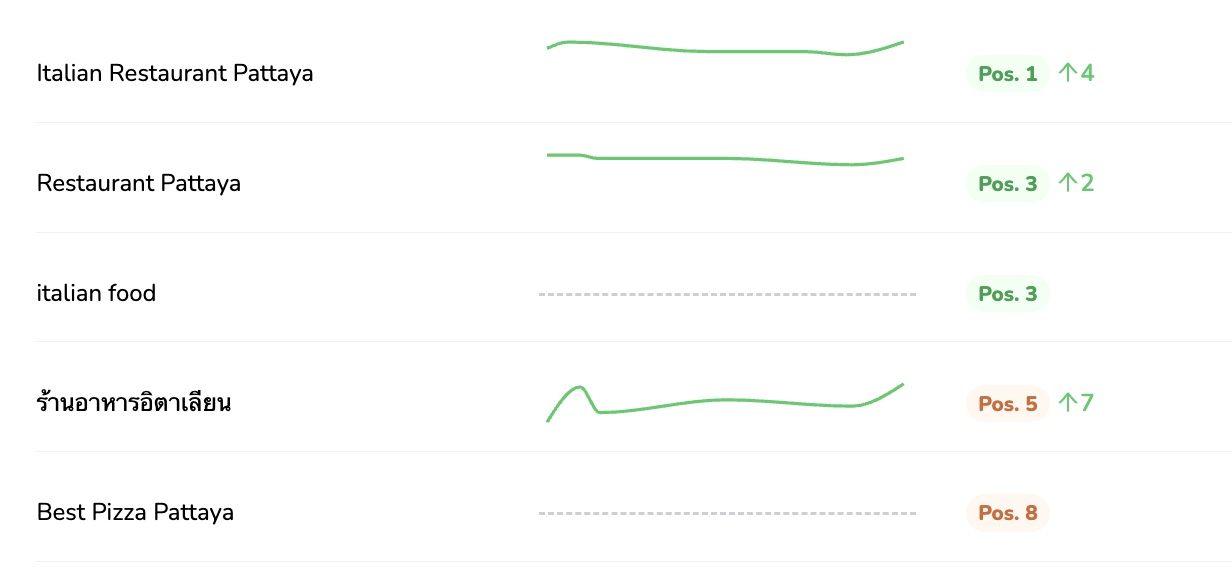
Discover actionable insights and learn how our experts at [color=var(–ast-global-color-0)][highlight=transparent]Locully.org[/highlight][/color] can help you turn red and yellow markers into green ones (Top 5 positions). With a tailored plan, you can boost your visibility, attract more enquiries, calls and customers, and take your business to the next level.