
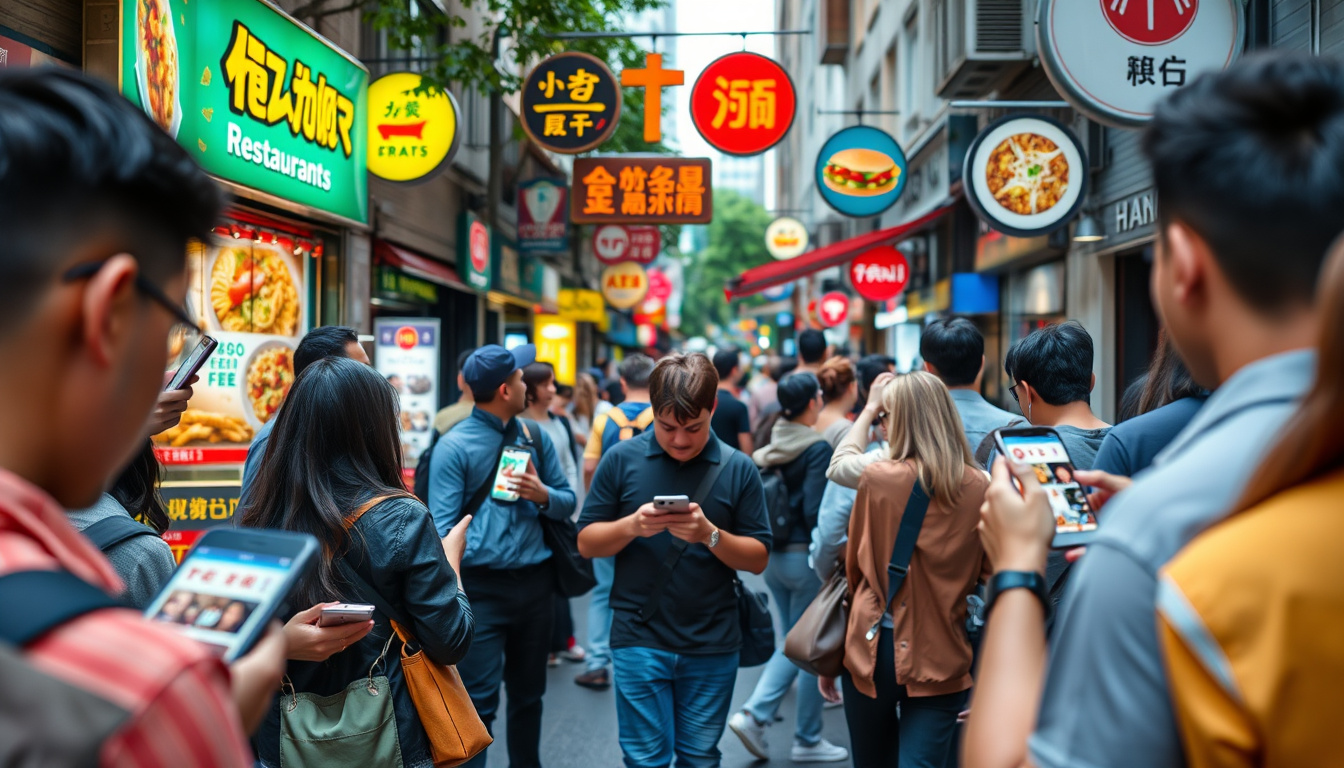
In today’s technology-driven world, the way consumers search for restaurants has significantly evolved. With smartphones becoming ubiquitous, recent statistics reveal a compelling trend: 75% of local consumers use mobile devices to search for restaurants. This impressive number underscores the importance of mobile optimization for any dining establishment aiming to capture the busy and often on-the-go customer. In this article, we will explore the implications of this statistic for restaurant owners and marketers, highlighting how vital it is to embrace local SEO tactics tailored for mobile users. Whether you’re a quaint café or a lavish dining venue, understanding how to optimize for mobile searches can make all the difference in attracting foot traffic and driving sales. Let’s dive into the data behind mobile searches, discuss key features consumers prioritize, and unveil actionable strategies to enhance your restaurant’s online presence.

Key Takeaways
- Mobile devices are now the primary tool for 75% of local consumers searching for restaurants.
- Understanding consumer preferences is crucial for optimizing restaurant visibility in mobile searches.
- Consumers prioritize features like location, reviews, and menus when searching for dining options on their mobile devices.
- Restaurant owners must adapt their marketing strategies to leverage mobile technology effectively.
- The future of dining will increasingly integrate mobile technology, shaping how consumers find and interact with restaurants.
Introduction: The Rise of Mobile Devices in Food Searches
In today’s fast-paced world, the rise of mobile devices has profoundly impacted how consumers search for dining options, especially for restaurants. 75% of local consumers use mobile devices to search for restaurants, which signifies a noteworthy trend that no restaurant owner can afford to overlook. This statistic underscores the importance of local SEO, as mobile searches typically yield results that are aligned with the user’s location. As more customers rely on their smartphones to find the best dining experiences nearby, it becomes critical for restaurants to optimize their online presence for mobile devices.
For instance, a family looking for pizza in Bangkok might search on their phone while on the go. If your restaurant isn’t showing up in those local search results, it’s likely that they’ll choose a competitor who has invested in effective local SEO strategies. Therefore, ensuring that your restaurant is optimized for mobile search through responsive design, fast-loading pages, and concise yet engaging content is essential for attracting potential diners.
Additionally, having a Google Business Profile that is fully optimized and updated, including current operating hours and menu items, will significantly enhance your visibility in local searches. By focusing on local SEO for restaurants and adapting to the preference for mobile search, eateries can capture a greater share of the dining market and drive more foot traffic to their establishments.
Statistics Behind Mobile Searches for Restaurants
### 75% of Local Consumers Use Mobile Devices to Search for Restaurants
In today’s fast-paced digital world, the majority of consumers prefer to use their mobile devices when searching for local dining options. A staggering 75% of local consumers utilize mobile devices to search for restaurants, highlighting the essential role of mobile optimization in local SEO. This statistic emphasizes the necessity for restaurants to ensure their websites are mobile-friendly. When users search for a nearby restaurant, they often do so with the immediate intention of dining, making it imperative that your restaurant’s website not only loads quickly on mobile but also offers an intuitive user experience.
For instance, a Bangkok restaurant that showcases its menu, location, and operating hours with easy-to-navigate mobile pages can improve its chance of attracting nearby customers. Businesses can optimize their local SEO by ensuring their site design is responsive, includes a fast loading time, and utilizes clear call-to-action buttons to drive foot traffic. Additionally, leveraging local keywords such as ‘Bangkok restaurants’ can significantly enhance visibility in mobile search results. By optimizing for mobile, restaurants can tap into this massive audience and convert searches into actual visits, ultimately driving sales and building brand loyalty.
‘The mobile phone is a tool that can create a real person-to-person communication and interaction regardless of where you are in the world.’ – Ray Kurzweil

Key Features Consumers Look for in Restaurants
## Key Features Consumers Look for in Restaurants
75% of Local Consumers Use Mobile Devices to Search for Restaurants
In today’s fast-paced world, mobile devices have become an essential tool for consumers searching for nearby dining options. This statistic underscores the significance of mobile compatibility in the realm of local SEO for restaurants. When consumers are hungry and on the go, they tend to reach for their smartphones to browse restaurants in their vicinity. If your restaurant is not effectively optimized for mobile searches, you’re likely missing out on a substantial number of potential customers.
### The Significance of Mobile Optimization
The prevalence of mobile searches indicates that your restaurant’s website must not only be mobile-friendly but also quick to load and simple to navigate. Google prioritizes websites that offer a seamless mobile experience, which can significantly affect your ranking in local search results. This is especially important for restaurants, as consumers are often looking for quick information, such as menus, locations, and hours of operation.
### Actionable Strategies for Restaurants
To ensure your restaurant captures this mobile audience, start by reviewing your website to guarantee it is responsive on all devices. Tools like Google’s Mobile-Friendly Test can help evaluate your site’s mobile performance. Furthermore, consider creating a Google My Business listing that is optimized for mobile users. This will include your restaurant’s address, phone number, and links to menus, all of which are crucial for local searches.
Another great practice is to utilize local keywords throughout your online content. For instance, incorporating phrases like ‘Bangkok restaurants that offer outdoor seating’ can help to target local consumers effectively. Adding schema markup to highlight your location and offerings can also enhance your visibility in mobile search results.
The focus on mobile optimization not only helps with ranking but also improves user experience, which translates to higher foot traffic and ultimately more sales.
The Implications for Restaurant Owners and Marketers
## The Implications for Restaurant Owners and Marketers
One of the most significant statistics shaping the landscape for restaurants today is that 75% of local consumers use mobile devices to search for restaurants. This trend underscores the necessity for restaurant owners to prioritize their local SEO efforts focused on mobile optimization. As consumers increasingly rely on their smartphones to find dining options, restaurants must ensure they deliver a seamless mobile experience.
This statistic speaks volumes about consumer behavior; it’s not just about having a website but also about ensuring it is mobile-friendly. Marketers need to recognize that local SEO for restaurants is about more than just appearing in search results—it’s about being user-friendly and engaging to potential diners looking to make immediate decisions. When optimizing for mobile, it’s essential to have a responsive website design that allows users to navigate easily, access the menu, and make reservations or orders with minimal effort.
To leverage this data in practical terms, restaurant owners should focus on improving their loading speed, simplifying navigation, and ensuring that contact information is front and center. Additionally, utilizing location-based keywords within their mobile content can help them rank higher on local search results. For instance, a restaurant in Bangkok can optimize its content with phrases like ‘best Bangkok restaurants’ or ‘top-rated food in Bangkok’ to attract local diners.
Finally, tackle mobile local SEO challenges by routinely checking how your restaurant ranks on mobile searches. Consider using tools like Google Search Console to analyze your mobile traffic and make necessary adjustments. Get a Quote for expert help in optimizing your restaurant’s local SEO, or Check your Google Business Rankings! to see how you stack up against local competition.

Strategies for Optimizing Restaurant Listings for Mobile Searches
### Strategies for Optimizing Restaurant Listings for Mobile Searches
With 75% of local consumers using mobile devices to search for restaurants, it’s clear that having a mobile-friendly online presence is no longer optional—it’s a necessity. As mobile usage continues to surge, ensuring that your restaurant’s information is easily accessible on smartphones can significantly boost your visibility and attract more customers.
Here’s how you can optimize your restaurant listings for mobile searches:
1. Responsive Website Design: Ensure your restaurant’s website is responsive, meaning it automatically adjusts to fit the screen size of any device. A user-friendly mobile site can lead to a better on-the-go browsing experience. Google favors mobile-friendly sites in its search rankings, so this optimization can enhance your local SEO for restaurants.
2. Update Your Google My Business Listing: Google My Business is crucial for local SEO, especially for restaurants. Ensure your listing includes accurate information—like your address, phone number, hours of operation, and menu—suitable for mobile viewing. Include high-quality images of your menu items and dining atmosphere, as visuals capture attention and encourage clicks.
3. Implement Location-Based Keywords: Incorporate localized keywords such as ‘Bangkok restaurants,’ or ‘restaurants near me’ in your website content and meta tags. This ensures that when potential customers search for dining options using their mobile devices, your restaurant can appear prominently in their search results.
4. Utilize Mobile-Friendly Ordering Systems: If your restaurant offers online orders, ensure the system is optimized for mobile. Simple navigation, quick access to the menu, and a smooth checkout process can significantly enhance customer satisfaction and drive sales.
5. Encourage Reviews: Remind customers to leave reviews on mobile-friendly platforms. High ratings on your Google Business and Yelp pages can improve your credibility and ranking on mobile search results.
6. Monitor User Experience: Regularly check how your website performs on mobile devices. Use tools like Google PageSpeed Insights to analyze loading times and fix any issues. A slow-loading site can deter potential diners.
By optimizing your restaurant listings for mobile searches based on these strategies, you can significantly enhance your local SEO presence, reaching a wider audience eager to discover dining opportunities.
For more insights on how to boost your restaurant’s online visibility, [Get a Quote](#) or [Check your Google Business Rankings!](#).
Conclusion: The Future of Dining and Mobile Technology
### Conclusion: The Future of Dining and Mobile Technology
As the restaurant industry evolves, understanding consumer behavior is vital for success. A staggering 75% of local consumers use mobile devices to search for restaurants, indicating that mobile technology plays a critical role in the dining experience. Restaurants must prioritize local SEO strategies optimized for mobile platforms to ensure they remain competitive in this tech-driven landscape.
This statistic highlights the need for businesses to have mobile-friendly websites that load quickly and offer seamless navigation. Additionally, restaurants should maintain an active presence on platforms like Google My Business and utilize local keywords effectively to enhance visibility in search results. By aligning their online presence with consumer habits, restaurants can engage more effectively with potential diners, attract foot traffic, and ultimately drive sales. Given the rapid integration of technology into our daily lives, those who adapt to these changes will undoubtedly thrive, shaping the future of dining into a more convenient and accessible experience for all.
If you’re a business owner who’s been struggling to make your mark in local search, it might be time for your own breakthrough. The [color=var(–ast-global-color-0)][highlight=transparent]Locully Local SEO Rank Checker [/highlight][/color]is free to use and can instantly show you how your business ranks on Google.
[color=var(–ast-global-color-0)][highlight=transparent]Get Your Free Strategy Session[/highlight][/color]
Discover actionable insights and learn how our experts at [color=var(–ast-global-color-0)][highlight=transparent]Locully.org[/highlight][/color] can help you turn red and yellow markers into green ones (Top 5 positions). With a tailored plan, you can boost your visibility, attract more enquiries, calls and customers, and take your business to the next level.