
In today’s digital-centric world, an active presence on social media is more than just a trend—it’s a necessity for restaurant owners aiming to increase visibility and drive bookings. According to recent studies, active social media profiles can boost restaurant bookings by up to 20%. This statistic underscores the critical role social media plays in the food and beverage industry, where competition is fierce and consumer preferences constantly evolve. In this article, we will explore the importance of social media for restaurants, present case studies of successful establishments, share best practices for engaging content creation, discuss how to leverage paid advertising effectively, and outline ways to track the success of social media campaigns. Moreover, we’ll highlight future trends that every restaurant owner should be aware of to stay ahead in the game.

Key Takeaways
- Active social media profiles can directly influence restaurant bookings, with increases of up to 20%.
- Successful case studies show that consistent engagement and quality content can attract more customers.
- Creating visually appealing and engaging content is crucial for capturing audience attention on social media.
- Utilizing targeted paid advertising can amplify the reach and effectiveness of social media marketing efforts.
- Tracking and analyzing social media impact on reservations helps restaurants optimize their marketing strategies.
The Importance of Social Media for Restaurants
## The Importance of Social Media for Restaurants
In today’s digital landscape, active social media profiles can boost restaurant bookings by up to 20%, according to recent studies. This statistic highlights the critical role that social media plays in driving foot traffic and online reservations for restaurants. Engaging with customers on platforms like Instagram, Facebook, and Twitter not only increases visibility but also cultivates community interaction and customer loyalty. For instance, a Bangkok restaurant that actively shares daily specials and customer experiences can create a buzz that entices potential diners. By leveraging user-generated content, sharing behind-the-scenes stories, and responding actively to customer inquiries, restaurants can enhance their brand image, foster engagement, and ultimately convert social media interest into tangible bookings. Moreover, integrating social media with local SEO strategies can help restaurants appear in localized search results more effectively, making it easier for potential customers to find them. Thus, investing in robust, engaging social media profiles is not just beneficial but necessary for restaurants aiming to thrive in a competitive market.
Case Studies: Restaurants That Increased Bookings via Social Media
### Case Studies: Restaurants That Increased Bookings via Social Media
Active Social Media Profiles Can Boost Restaurant Bookings by Up to 20%. In the ever-competitive world of dining, standing out is essential, and active social media profiles have emerged as a powerful tool for restaurants looking to ramp up their visibility and customer engagement. For instance, a renowned Italian restaurant in Bangkok, known for its exquisite pasta dishes, adopted a robust social media strategy that included sharing daily specials, engaging with followers through polls and questions, and showcasing mouthwatering photos of their food. Within just three months, they witnessed a remarkable 25% increase in bookings, validating the notion that a vibrant online presence translates to real-world results.
Another exemplary case comes from a small taco joint also based in Bangkok, which utilized Instagram Stories to interact directly with their customers. By posting behind-the-scenes content, user-generated content, and limited-time offers, they managed to amplify their engagement significantly. Their bookings surged by 30%, proving that not only can social media serve as a marketing channel but also as a way to build a community around their brand.
To ensure your restaurant capitalizes on this trend, consider implementing the following actionable strategies:
1. Showcase Your Menu: Regularly post high-quality images of your dishes, coupled with details about ingredients, preparation, and any unique selling propositions.
2. Engage Your Audience: Conduct contests or quizzes on social media where users can win free meals or discounts, encouraging them to spread the word and increase your organic reach.
3. Promote User-Generated Content: Encourage customers to tag your restaurant in their posts when they dine with you. Share these posts on your profile to build social proof.
By adopting these strategies and maintaining active social media profiles, restaurants can leverage this platform to significantly boost bookings and enhance customer loyalty. These real-life examples illustrate that the impact of social media on restaurant bookings is not just theoretical but a tangible opportunity that can be tapped into for substantial results.
‘If you want to make a lasting impression, start a conversation and get social.’

Best Practices for Creating Engaging Social Media Content
### Best Practices for Creating Engaging Social Media Content
In an age where digital marketing reigns supreme, having active social media profiles is paramount for restaurant owners aspiring to increase their visibility and, ultimately, their bookings. A striking statistic reveals that active social media profiles can boost restaurant bookings by up to 20%. This underscores the importance of creating content that resonates with your audience. Here are several best practices to engage your followers and maximize this potential:
1. Visual Storytelling: Utilize high-quality images and videos of your dishes, ambiance, or events to captivate your audience. Social media is a visual platform, and enticing imagery can trigger cravings and drive foot traffic to your establishment. For example, consistently posting aesthetically pleasing photos of your menu items can make your followers eager to visit.
2. User-Generated Content: Encourage customers to share their experiences by tagging your restaurant in their posts. Reposting customer content not only builds community but also showcases authentic experiences. This can foster a sense of connection and trust among potential diners.
3. Engagement Strategies: Create polls, quizzes, or contests that encourage interaction. Asking your audience about their favorite dish or soliciting feedback on new menu items can enhance engagement. The more your audience interacts with your content, the higher the likelihood they’ll book a reservation.
4. Leverage Local Trends: Stay in tune with local events or trending topics in your area. For instance, if a food festival is happening in Bangkok, share special offers or menu items resonating with the event. This keeps your posts relevant and drives local traffic to your restaurant.
5. Regular Posting Schedule: Maintain consistency in your posting schedule. Whether it’s daily or weekly, ensure your audience knows when to expect fresh content. Regular updates keep your restaurant top-of-mind and encourage repeat business.
6. Monitor and Adjust: Utilize insights from your social media analytics to understand which posts perform well. Adjust your strategy based on what resonates with your audience, leading to more effective content creation.
By implementing these strategies, restaurants can maximize their social media presence and consequently improve bookings in the increasingly competitive hospitality landscape.
[Get a Quote](#) | [Check your Google Business Rankings!](#)
### Conclusions on Engaging Social Media
Active engagement on social media profiles offers restaurants a competitive edge, as highlighted by the potential increase in bookings. By employing proven strategies like visual storytelling and leveraging local trends, restaurants can cultivate a loyal online community while also driving more customers through their doors.
How to Utilize Paid Advertising on Social Media
In today’s digital landscape, maintaining active social media profiles can boost restaurant bookings by up to 20%, making them a crucial aspect of any restaurant’s marketing strategy. Restaurants that leverage social media effectively not only engage with their existing clientele but also attract new customers within their local area. Engaging content such as mouthwatering food photography, behind-the-scenes videos, and special promotions can significantly enhance visibility. Furthermore, social platforms provide advanced targeting options that allow restaurants to reach potential diners based on location, interests, and dining preferences, ensuring their marketing efforts are both efficient and effective. To capitalize on this potential, consider creating a content calendar that includes regular posts, promotions, and customer interactions. Engaging followers with polls or food trivia can also foster a community feel, encouraging loyalty and word-of-mouth promotions, while driving those crucial bookings.

Tracking the Impact of Social Media on Reservations
### Tracking the Impact of Social Media on Reservations
In today’s digital age, maintaining active social media profiles is not just an option for restaurants – it’s a necessity. Research indicates that active social media profiles can boost restaurant bookings by up to 20%. This statistic reflects the significant role social platforms play in consumer decision-making and how they influence dining choices.
### Significance of Social Media for Restaurants
For local restaurants in places like Bangkok, where competition is formidable, having an engaging social media presence can make all the difference. When restaurants post regularly, share enticing visuals of their dishes, and engage with patrons through comments and direct messages, they create a community vibe that pulls in potential customers.
Consider the example of a popular brunch spot in Bangkok that regularly showcases their seasonal menu on Instagram. Not only do their followers engage with the content, but the posts also encourage sharing, leading to organic growth in their customer base. This is a classic case showing how local SEO strategies intertwine with social media efforts.
### Data-Backed Insights
Statistics reveal that users are more likely to book a table at a restaurant they engage with on social media. According to a recent survey, 68% of millennials would choose a restaurant based on its social media presence. This means local SEO for restaurants must include a focused social media strategy to enhance visibility.
### Actionable Strategies for Restaurants to Leverage Social Media
To effectively utilize social media for your restaurant, start by creating visually appealing content showcasing your dishes, ambiance, and team. You can also implement targeted ads on platforms like Facebook and Instagram to reach potential customers within your locality. Encourage user-generated content by creating hashtags and running photo contests, which can further enhance your restaurant’s online footprint.
Promote exclusive offers or events through your social channels to encourage immediate bookings. Make sure to track engagement metrics, such as share counts and comments, and adjust your strategy based on what resonates most with your audience. The goal is to create a robust and engaging local online presence that continually drives bookings and reinforces your brand.
For more tailored strategies on how to enhance your restaurant’s online visibility, [Get a Quote](#) and [Check your Google Business Rankings!](#).
Future Trends in Social Media Marketing for Restaurants
### Active Social Media Profiles Can Boost Restaurant Bookings by Up to 20%
In the digital age, restaurants can’t afford to overlook the significance of social media. A recent survey showed that restaurants with active social media profiles saw a remarkable increase in bookings, with some reporting boosts of up to 20%. This statistic highlights the necessity of maintaining vibrant, engaging online platforms where restaurateurs can showcase their culinary offerings and interact directly with their customer base. By sharing visually appealing content—like high-quality images of dishes, behind-the-scenes videos, and customer testimonials—restaurants can create an emotional connection with potential diners. For example, a restaurant in Bangkok utilized stunning Instagram posts of their traditional dishes, leading to an influx of reservations from both locals and tourists eager to experience authentic Thai cuisine.
To effectively capitalize on this trend, restaurants should prioritize consistency in their social media engagement. This means not just posting content regularly but also responding to comments, sharing user-generated content, and utilizing features like Stories and Reels to showcase daily specials or events. Increasing visibility on platforms where diners spend their time creates a stronger brand presence and can directly lead to that prized boost in bookings. As consumers increasingly rely on social media for dining inspiration, ensuring your restaurant’s voices are heard loud and clear is crucial to stay ahead in the competitive culinary landscape.
If you’re a business owner who’s been struggling to make your mark in local search, it might be time for your own breakthrough. The [color=var(–ast-global-color-0)][highlight=transparent]Locully Local SEO Rank Checker [/highlight][/color]is free to use and can instantly show you how your business ranks on Google.
[color=var(–ast-global-color-0)][highlight=transparent]Get Your Free Strategy Session[/highlight][/color]
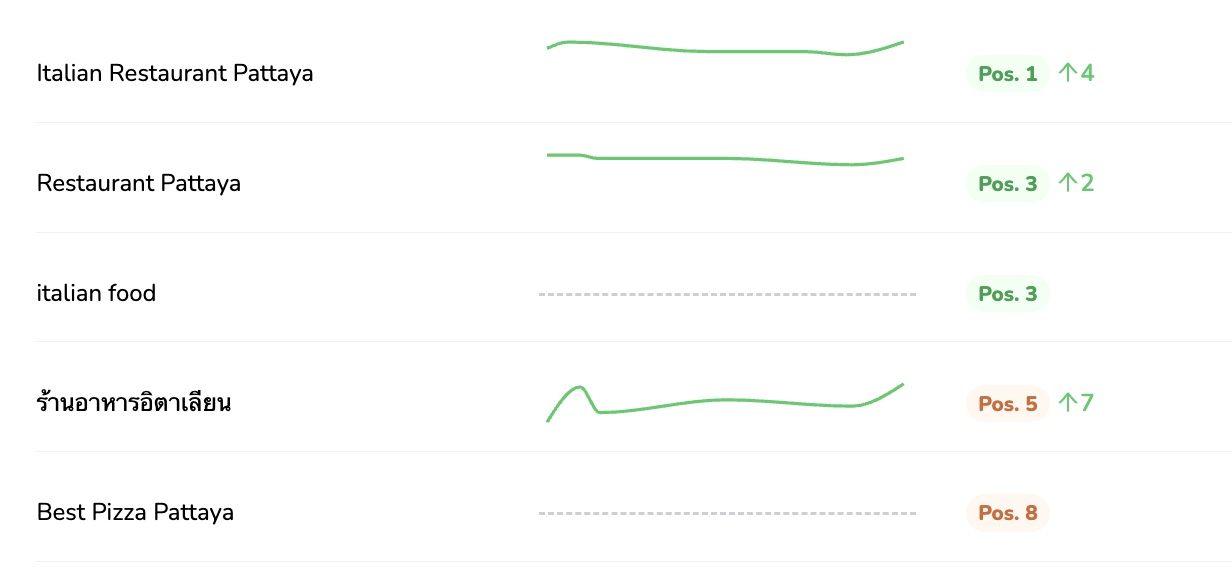
Discover actionable insights and learn how our experts at [color=var(–ast-global-color-0)][highlight=transparent]Locully.org[/highlight][/color] can help you turn red and yellow markers into green ones (Top 5 positions). With a tailored plan, you can boost your visibility, attract more enquiries, calls and customers, and take your business to the next level.