
1️⃣ Introduction
Almost 80% of people visit a restaurant website before they dine. In Thailand’s busy food scene, your website must work well. When Thai food competes on the web, SEO helps you stand out and draw in diners.
By the end of this guide, you learn how to improve your site for local searches. You see how to write text that clicks with Thai readers and brings more people through the door.
2️⃣ Why Local SEO is Key for Restaurant Businesses in Thailand
Local SEO works with a clear aim: get local customers. Over 97% of consumers search for nearby shops online. Nearly 78% of local mobile searches lead to offline buys. If your site does not pop up, you lose valued guests.
One example is a restaurant in Bangkok. The site used Thai words like “best Thai food in Bangkok.” Close words built clear links between text and search. Soon, more customers showed up and spent time at the restaurant.
Changing Consumer Actions
New studies show that searches with the words "near me" surged by 500%. People trust Google to find nearby restaurants. Thai eateries must adjust their web presence to match this new search path.
3️⃣ Local SEO Strategy for Restaurants in Thailand

A. Do Full Keyword Research
A strong set of words forms your SEO plan. Use local words that Thai diners use when they search. Tools like Google Keyword Planner and Thai search tools such as Zanroo help pick words that match current trends.
- Example Word Plan:
- Pick local phrases like “best seafood restaurant in Phuket” or useful Thai terms like “ร้านอาหารไทยนคร.”
- Add longer word sets that speak to special tastes, such as “affordable Thai food near BTS Sukhumvit” to pull in the right crowd.
B. Tidy On-Page Parts
-
Title Tags and Meta Descriptions: Give every page a unique title and summary. Set the words close to each other so the meaning is clear. For example: “Authentic Thai Cuisine at [Restaurant Name] – Best Place to Eat in Bangkok.”
-
Header Tags and Content Order: Use the HTML tags (H1, H2, etc.). When the main ideas sit near their titles, both readers and search machines see the clear links in your text.
-
Mobile Setup: With 64% of diners using phones to choose where to eat, mobile design must be simple and fast. A website that works well on phones keeps potential diners happy.
C. Local Listings and Google Business Profile
Claim your Google Business Profile to show up in local searches. Fill in your profile with:
- Business Name
- Address
- Phone Number (NAP)
- Hours of Work
- Website Link
Place clear photos that show food and the dining space. Listings with neat images get 35% more clicks.
D. Create Clear, Relevant Text
Good text sits at the center of SEO. Diners search for menus and hours. Blog posts on local food, chef stories, or nearby events build more smart links. Write menu pages with text that sits close to search words. Make sure these pages are quick and work well on phones.
E. Build Local Backlinks
Work with local groups to draw strong backlinks. Teaming with nearby shops on events, sponsorships, or deals can put your name in many good spots. Ask local food bloggers or influencers to check your eatery. Their links tell search engines that your site is trustworthy.
4️⃣ Common Local SEO Mistakes to Avoid
-
Skipping Mobile Setup: Diners want smooth phone use. Sites that load slow or do not adjust may lose potential guests.
-
Forgetting Online Reviews: Reviews drive local searches. Ask happy customers to leave feedback online. Join in when responses fall short. This shows you care for those who dine here.
-
Incomplete Google Business Profile: A half-done profile stops your site from coming up in searches. Keep it full and fresh. Posting on Google helps your local search rank.
-
Missing Local Words: Using only general words cuts your local reach. Stick with words that bring out your area and culture.
Action Plan: Start Optimizing Today
- Do Keyword Research: Find main and extra words that fit your restaurant and its area.
- Claim Your Google Business Profile: Check that your listing is current and set up fully.
- Keep Website Text Fresh: Update menus and posts with good images and real stories about your place.
- Ask for Reviews: Use in-house tips and follow-up messages to collect online praise.
In Thailand’s tight food market, these steps put your restaurant ahead. Your site becomes more than a digital page. It turns into a warm meeting spot for diners who are keen for your food. Need help putting these ideas in place? Locully stands ready to support your restaurant in boosting its online links.
If you’re a business owner who’s been struggling to make your mark in local search, it might be time for your own breakthrough. The [color=var(–ast-global-color-0)][highlight=transparent]Locully Local SEO Rank Checker [/highlight][/color]is free to use and can instantly show you how your business ranks on Google.
[color=var(–ast-global-color-0)][highlight=transparent]Get Your Free Strategy Session[/highlight][/color]
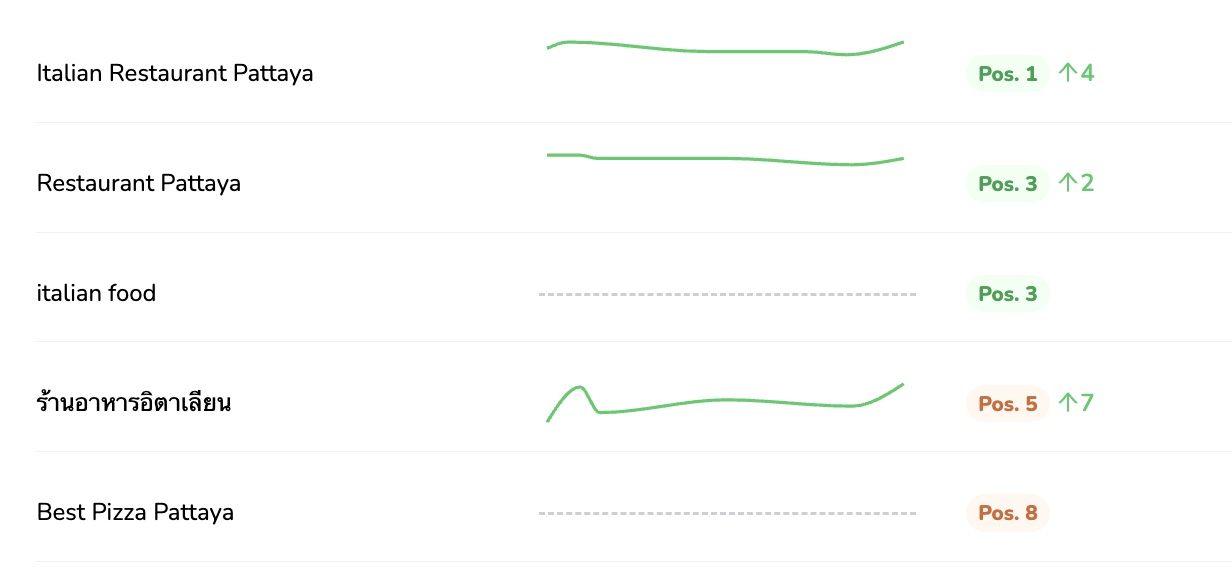
Discover actionable insights and learn how our experts at [color=var(–ast-global-color-0)][highlight=transparent]Locully.org[/highlight][/color] can help you turn red and yellow markers into green ones (Top 5 positions). With a tailored plan, you can boost your visibility, attract more enquiries, calls and customers, and take your business to the next level.